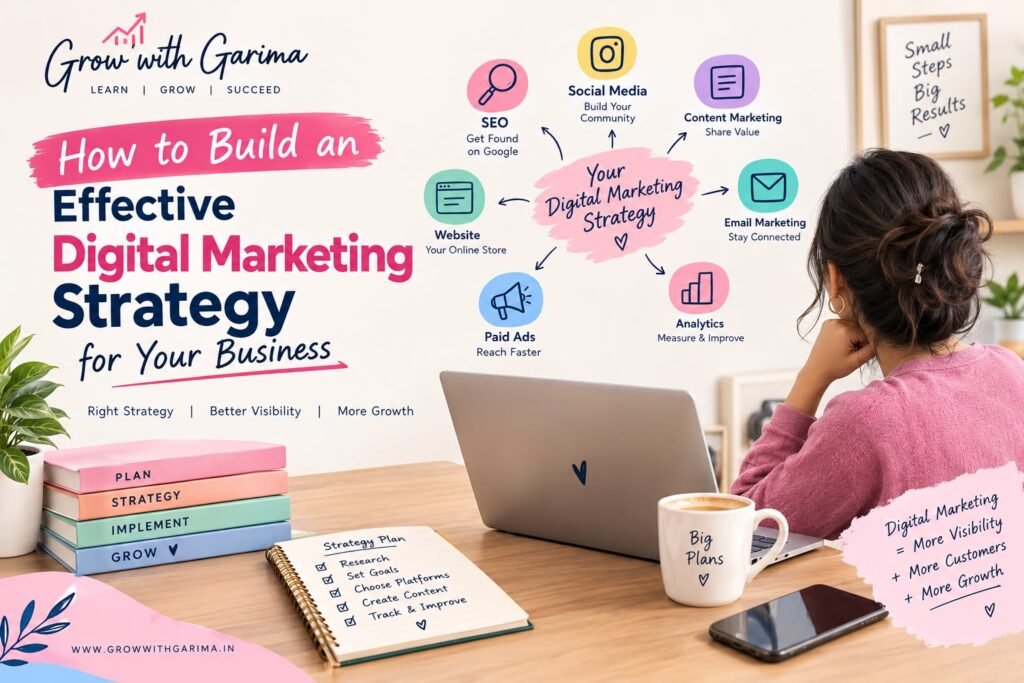
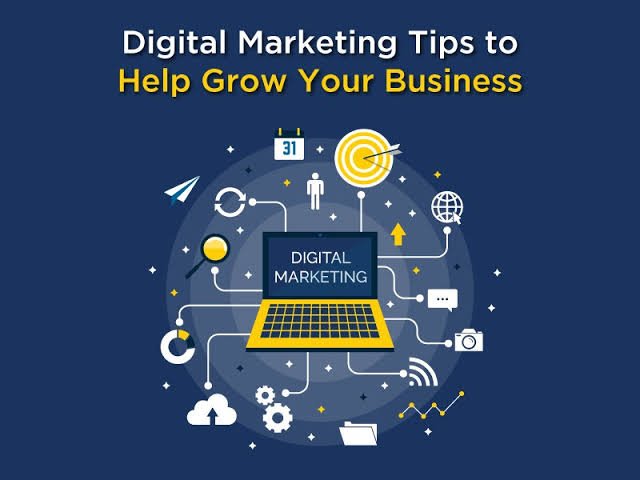
In today’s digital world, having an online presence is no longer optional—it’s essential. Whether you run a small business, personal brand, startup, or established company, a strong digital marketing strategy can help you reach the right audience, increase brand awareness, and generate more leads.
But where should you start? Let’s break it down into simple, actionable steps.
🎯 1. Define Your Marketing Goals
Before creating campaigns, decide what you want to achieve. Your goals could include:
- Increasing website traffic
- Generating quality leads
- Improving brand awareness
- Increasing online sales
- Growing social media followers
Make sure your goals are specific, measurable, achievable, relevant, and time-bound (SMART).
👥 2. Understand Your Target Audience
Successful marketing starts with knowing your customers. Identify their age, interests, location, needs, problems, and online behavior.
Creating a customer persona can help you understand who you are targeting and what type of content they need.
🔍 3. Build a Strong SEO Strategy
Search Engine Optimization (SEO) helps your website appear in search engine results when potential customers search for relevant services or products.
Focus on:
- Keyword research
- On-page SEO
- Technical SEO
- Quality content
- Internal linking
- Backlink building
A consistent SEO strategy can bring long-term organic traffic to your website.
📱 4. Use Social Media Marketing
Social media is an excellent way to connect with your audience and build your brand personality.
Choose platforms where your audience is most active and create a content mix of educational, entertaining, promotional, and engaging posts.
Consistency is more important than simply posting every day.
✍️ 5. Create Valuable Content
Content is at the heart of digital marketing. Blogs, videos, reels, infographics, guides, and social media posts can help attract and educate your audience.
Instead of only promoting your business, focus on solving your audience’s problems and providing useful information.
📊 6. Track Your Performance
A strategy is incomplete without measuring results. Monitor metrics such as website traffic, engagement, leads, conversion rate, and return on investment (ROI).
Use your data to understand what works and continuously improve your campaigns.
❓ Frequently Asked Questions
1. What is a digital marketing strategy?
A digital marketing strategy is a planned approach to promoting a business through online channels such as search engines, social media, websites, email, and paid advertising.
2. Why is digital marketing important for businesses?
It helps businesses reach their target audience online, build brand awareness, generate leads, and increase sales.
3. Which digital marketing channel is best?
There is no single best channel. SEO, social media, content marketing, email marketing, and paid advertising can all be effective depending on your goals and audience.
4. How long does digital marketing take to show results?
Paid campaigns can generate results quickly, while SEO and content marketing generally require consistent effort over a longer period.
5. Can small businesses use digital marketing?
Yes! Digital marketing can be especially useful for small businesses because it allows them to reach targeted audiences with flexible budgets.
💡 Final Thoughts
Building an effective digital marketing strategy requires clear goals, audience research, quality content, SEO, social media, and regular performance tracking. You don’t need to master everything at once. Start with the channels that best match your business goals and gradually expand.
Remember: Digital marketing is not about being everywhere—it’s about being where your audience is.